


One of the best things about travel is sampling the local cuisine and trying new restaurants but when are traveling with someone with food allergies, there are a few extra things that need to be considered. Our son was diagnosed with multiple food allergies (dairy, eggs, peanuts) at 4 months old and although he has had two anaphylactic reactions that have earned us an ambulance trip to the ER, we have decided that this is not going to stop us from continuing to do what we love most. Traveling with severe food allergies can have its challenges but with a lot of preparation and planning you WILL be able to enjoy that trip of your dreams safely.
Please note that these tips are not intended to be medical advise, speak to your doctor about your specific needs and concerns before you travel.
Before You Go – How to Prepare for Travel with Food Allergies
1. Do Your Research on the Area You Are Traveling To
Before leaving on a trip or even deciding where to go, do your research to find out more about the country, its food customs and emergency care infrastructure.
Some countries may be easier to visit with your particular food allergy then others, read up on how your allergen is used in traditional cooking where you visiting so that you aren’t surprised by limited food options when you get there.
If your allergy is severe enough that medical attention might be needed, look into the quality of the healthcare system where you are going. There are tons of blogs and travel websites that talk about traveling with food allergies so these can be a great place to start gathering information.
2. Consider Where You Stay
Eating out can be a challenge so consider staying somewhere with a kitchen so you can prepare at least some of your own meals; these days there are so many options available, from renting a house, staying in an AirBNB or getting a hotel suite with a kitchenette. If you have severe allergies be sure to also consider proximity and access to emergency help.
3. Check That insurance Has You Covered
Check with your insurance company on what your plan will cover in case of an emergency out of state or in a foreign country. Find out if things like an ambulance ride or emergency room visit will be covered and how the process would work so that you are not faced with any unpleasant surprises if these services are needed while away. Check into travel insurance if your health insurance coverage won’t cover what you might need.
4. Stock Up on Medications
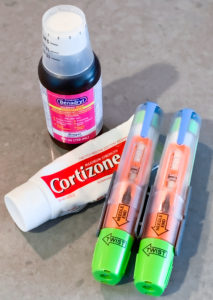
Every country has different rules about medications and prescriptions so don’t assume that you will simply be able to walk into a pharmacy abroad to get what you need.
It’s better to bring more than you think you will need since travel plans can go awry and you don’t want to be stuck without critical medications if your return home gets delayed for whatever reason.
5. Call the Airline Ahead of Time
Call the airline at least a few days in advance to let them know if there will be any issues with having your allergen on board. Since some airlines are better than others at communication, speak to someone again when you check-in as well as a flight attendant to ensure that those managing the flight are aware of your allergy and what can and cannot be served during the flight.
If needed, don’t be shy about asking the flight attendant to make an announcement requesting your fellow passengers not to consume your allergen during the flight.
While On the Go – What To Do As You Travel with Food Allergies
6. Communicate in the Local Language
When someone in your family has a food allergy, you can’t risk having something get lost in translation. Translated chef cards are a good Learn some key words and phrases in the local language to ensure you can communicate your needs clearly or better yet get a translated chef card. Many websites sell translated chef cards in almost every language, we’ve personally used Equal Eats in the past; FARE also has a free fillable PDF version in several common languages.
7. Pack all Medications in Your Carry-On Bag
If you’re flying it’s a good idea to pack all of your medication for your trip in your carry-on; not only do you want to have medications handy in case of an in-flight emergency, you also never know when an airline might lose your luggage.
8. Bring Along Your Own Back-Up Food
Finding allergy friendly snacks on the go can be a challenge, especially if you are in a foreign country where the food labeling laws may be different or you aren’t familiar with the language so its a good idea to take along safe snacks that when you fly or go out to explore.
9. Know Who to Call and Where to Go in an Emergency
Ask hotel staff or your rental host for the location of the closest emergency room and make sure that you have a plan for getting there, especially if you don’t have a car. Also, get a SIM card or cell phone plan that allows you to make local calls and store the number for local emergency services in your phone (note that not every country uses 911 as the emergency contact number be sure to find out the correct number to use at your destination).
10. Plan Ahead While Eating Out
Check out restaurant menus ahead of time so that you know your options and if possible call the restaurant to see what they can do to accommodate your allergy.
Consider the size and type of restaurant before you go; small restaurants that serve only fixed menus or large, busy restaurants where servers are struggling to keep up may not be your best bet.
Try to get to restaurants outside of peak times so that you have a better chance of having your server’s full attention or even the ability to speak directly to the chef.