
Have you been dreaming of a trip to Iceland but food allergies are holding you back from hitting that “Book Now” button? Well we’re here to tell you that a fantastic time in Iceland is absolutely possible, even with multiple food allergies.
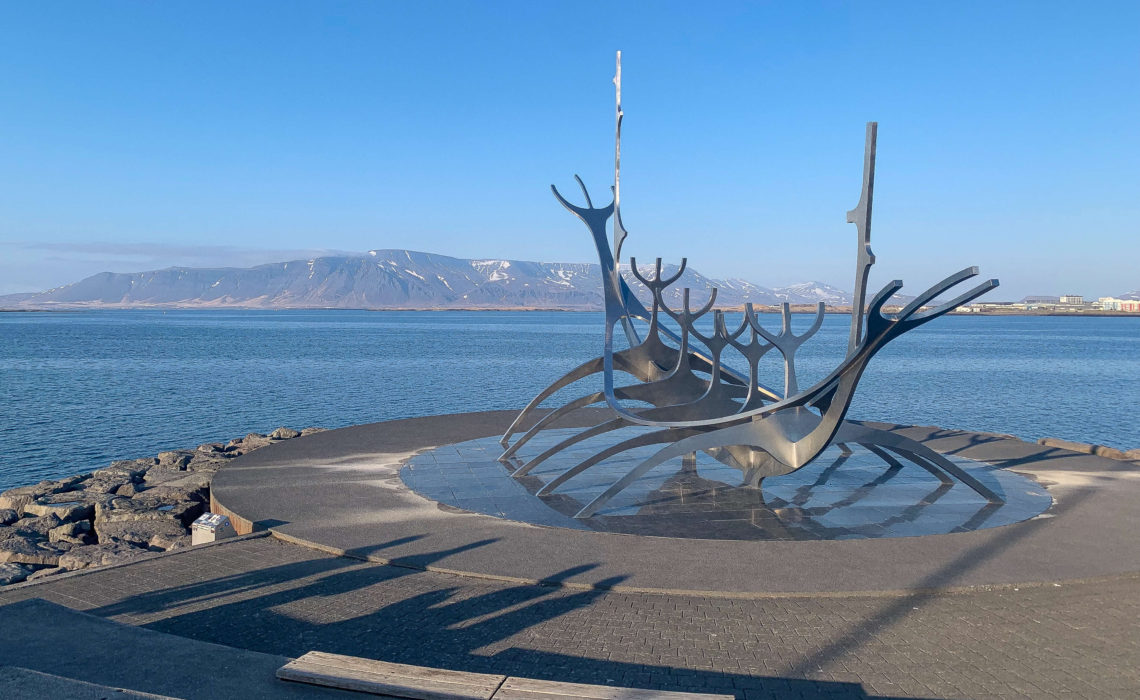
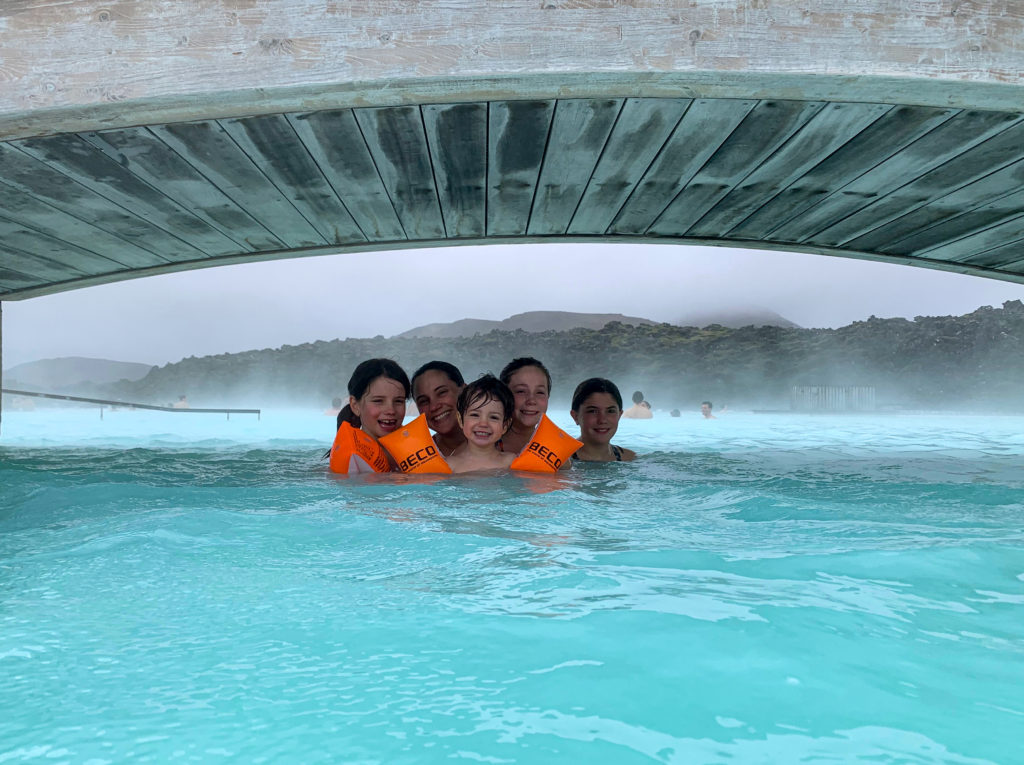
We had the best experience on our recent 10 day trip to Iceland, road-tripping around the Snaefellsness Peninsula and Southern Coast. We spent our days hiking to waterfalls, relaxing in hot springs, visiting black sand beaches and learning about the Vikings.
Our Overall Experience Traveling to Iceland with Food Allergies
We loved everything about our trip to Iceland and rave about how amazing it was for food allergies to anyone who’ll listen. This was our first international trip since managing food allergies but the land of fire and ice made us feel at ease in no time.
Our trip started off with a flight on IcelandAir where they requested that no one eats peanuts on-board due to a traveller with severe allergies; it wasn’t announced for us but took it as a good sign that Iceland’s national airline will make these announcements.

On our first day exploring Reykjavik, we noticed that almost every restaurant we walked into either had a sign or menu note about food allergies. We walked into a chocolate store and were amazed to find an entire shelf of chocolate bars that were vegan, gluten-free and nut-free.

How We Prepared for Our Trip to Iceland with Food Allergies
- Re-filled medicines
- Packed snacks and food
- Ordered allergy cards Equal Eats
- Called hotels and restaurants
- Bought travel insurance
Allergy-Friendly Food Finds in Iceland:
Where we shopped
Reykjavik is your best best for finding the biggest variety of allergy-friendly options. Icelandic grocery store chains include Bonus, Kronan and Netto (we personally liked Kronan best); in Reykjavik there is also a CostCo and several natural food stores. Once outside of the capital region, we had good luck with re-stocking in larger towns along the South Coast, such as Vik and Hvolsvöllur. Smaller towns (such as on the Snaefellsnes Peninsula) had pretty limited options but worked well for re-stocking fruit and vegetables.
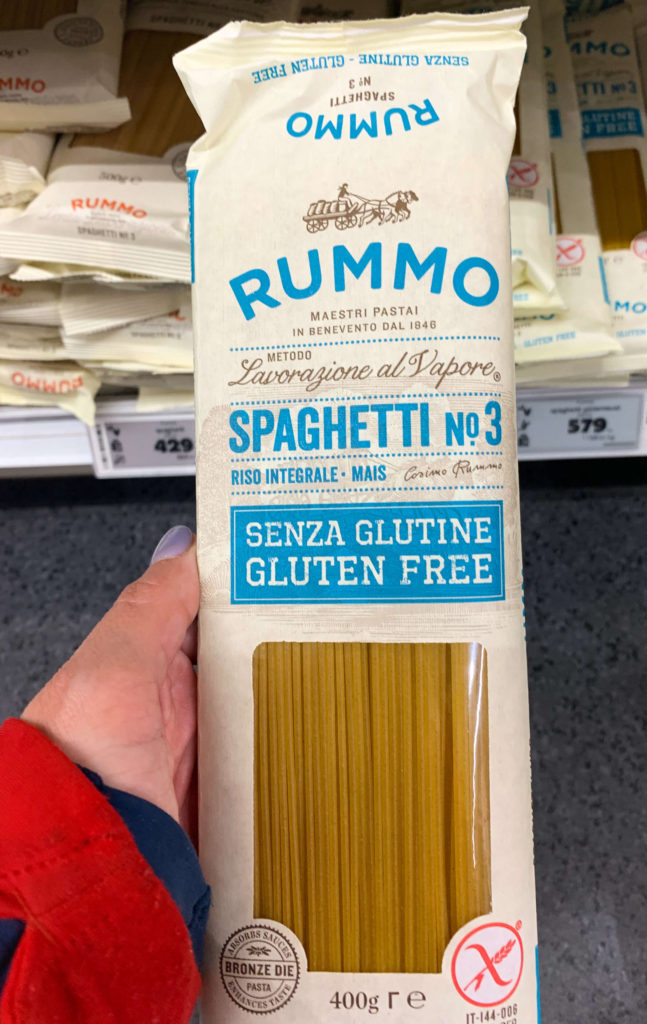
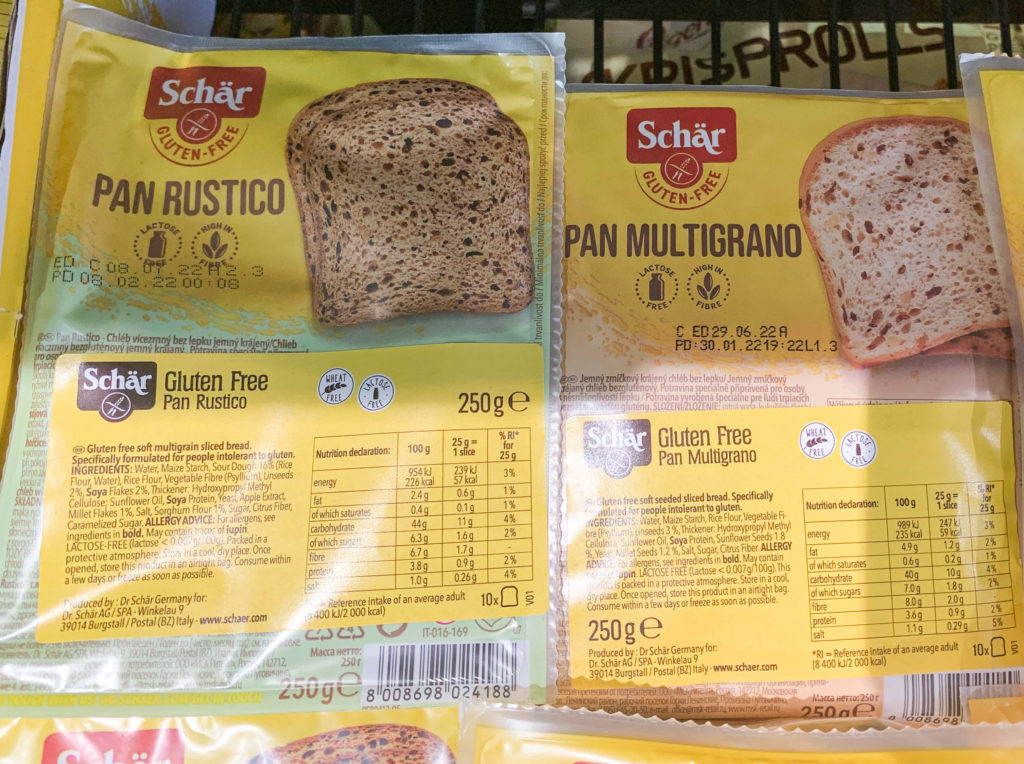
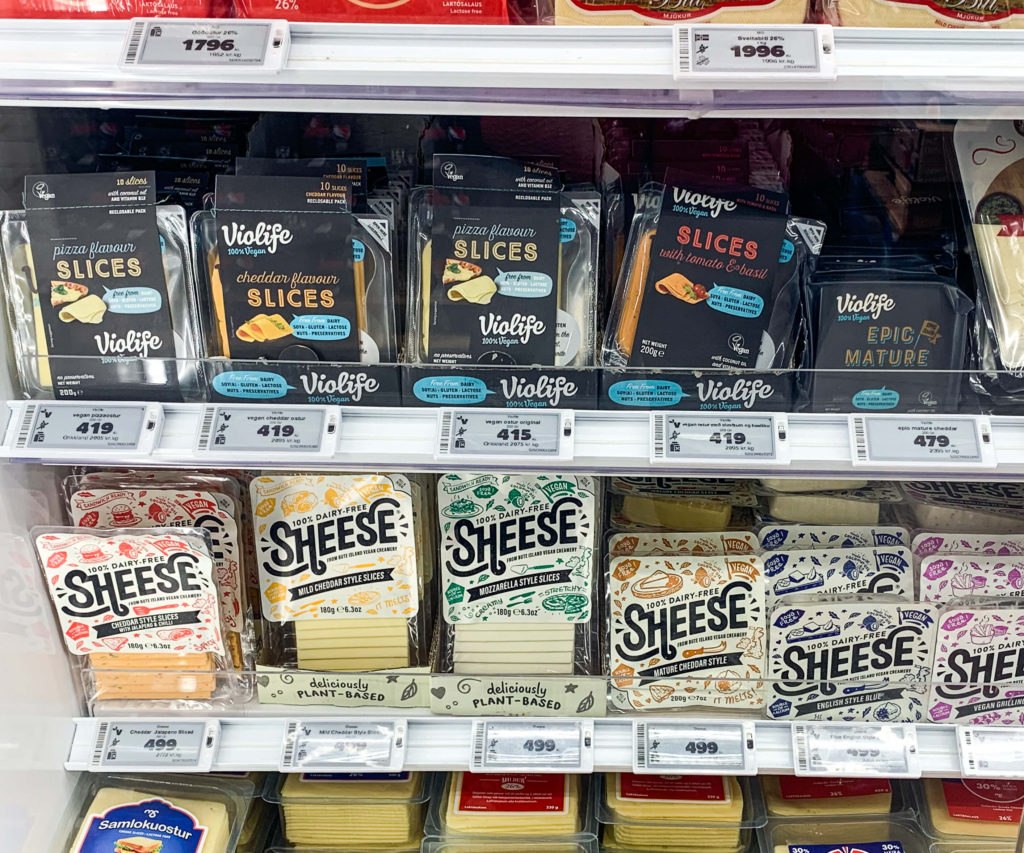
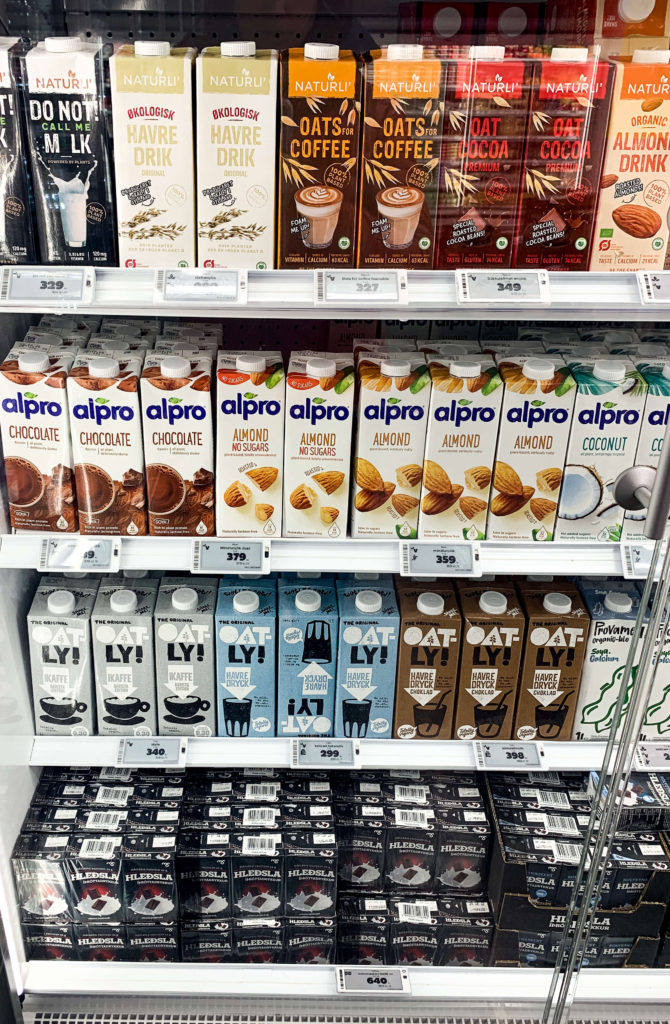
Dairy free milk and cheese (mainly Violife) were easy to find almost everywhere; we were excited to see oat milk in every store and even at several breakfast buffets. Gluten free options were also widely available although all the GF bread we found had soy protein so it was a no-go for us. Our biggest struggle was finding safe snacks; Z spent the trip snacking on food we brought from home and a life-time supply of Lays Chips.

Where we ate
We’re cautious about eating out at restaurants with Z so we were happily surprised with the number of places he was able to eat safely in Iceland. Traditional Icelandic restaurants use simple ingredients and cook from scratch so adjustments were generally easy to accommodate. Parts of Iceland are very remote, we didn’t feel the need to test out the speed of the emergency services so we brought Z’s pre-made food when eating out in these areas; no one seemed to have any issue with this.

Almost every restaurant we visited had vegan and gluten-free options available. We did learn that wheat starch is common in gluten-free items in Europe; if you have a wheat allergy, be sure to specifically ask about wheat starch. Nuts are common on menus but usually not as a main ingredient so was easy to leave off.
Restaurant staff was helpful and we didn’t feel like we were a hassle for asking questions or requesting modifications. There were a few times that a waiter didn’t know an answer to our questions but always offered to go back to the kitchen to confirm.
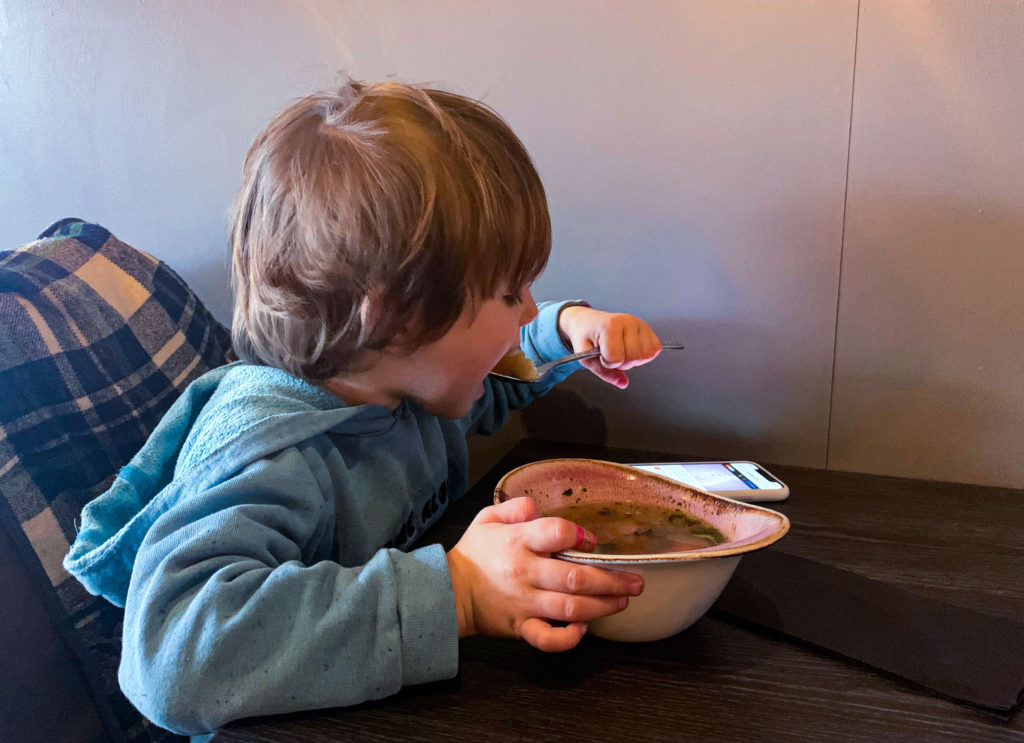
Z loved the lamb soup that they serve in many Icelandic restaurants; our 3 girls have also been requesting us to make it ever since we got home. Most of Z’s meals consisted of lamb or chicken with potatoes and a variety of vegetables but with fewer allergies there are many more options.
Here’s where Z ate safely:
Reykjavik Kitchen (Reykjavik): This family-run restaurant is a popular spot so we recommend making a reservation. There is a list of major allergens for each menu item; staff is very attentive and helpful with choosing a safe meal. The lamb soup is a good choice but there were also several meat dishes that are easily customizable for various allergies.
Valdis (Reykjavik and Hvolsvöllur):
Hotel Husafell (Husafell):
Hotel Gullfoss (Golden Circle):
The Soup Company (Vik) (Vegan, gluten-free, nut-free options): This is a must stop for everyone, the soup is to die for. They offer a rotating vegan option daily and the lamb soup was completely safe for our guy; good thing they offer free re-fills because he gobbled up his first bowl fast.
Heimahumar Food Truck (Jökulsárlón Glacier Lagoon): Z got to try one of Iceland’s most famous foods, a hot dog. The owner was so sweet and gave him two hot dogs for the price of one since he couldn’t eat the bun.
Where We Stayed in Iceland:
We eat out often when we travel but having a kitchen available is a must for us; we like being able to make lunches for the road and Z’s back-up meals for when we eat out. Restaurants in Iceland are not the cheapest so making some of your own meals is also a great way to save a little money.
This is where we stayed during our trip:
Old Charm Reykjavik Apartments (Reykjavik) – Right in the middle of the old city, this apartment is super convenient for exploring Reykjavik. There’s a full kitchen in the unit with stove, oven, microwave – highly recommend.
Hellnafell Guesthouse (Snaefellsnes Peninsula) – We loved the incredible views of Kirkjufell Mountain from the dining room of this cozy cabin. The 4-burner stove and full-sized refrigerator in the large kitchen make cooking easy; we even managed to cook a full Easter brunch without tripping all over each other – highly recommend.
Hotel Husafell (Husafell): The hotel will be happy to provide a mini-refrigerator in the room if requested in advance. The resort property also has a campground and holiday houses with full kitchens for rent nearby – recommend
Hotel Gullfoss (Golden Circle): Simple hotel with basic amenities but the staff was extremely friendly and went out of their way to be helpful. There are mini-refrigerators in each room and staff was happy to heat something up in their restaurant kitchen’s microwave – recommend.
Black Beach Suites (Vik): This was hands down our favorite hotel in Iceland. The full kitchenettes in each suite are well stocked with all of the essentials to cook simple meals – highly recommend.
Iceland with Food Allergies FAQ
What is Icelandic cuisine like?
Traditional Icelandic food is heavy on dairy, meat and fish; options have increased a lot in the last few decades though. With the increase in imports and advances in farming technology, fruits and vegetables have become a staple in Icelandic restaurants; these days many Icelandic restaurants, especially in larger towns, are farm-to-table, focused on serving fresh, seasonal ingredients.
What are the most common allergens in Icelandic cuisine?
The most common allergens in traditional Icelandic cuisine are gluten (wheat), dairy and fish/shellfish.
How is the food labeling in Iceland?
Iceland follows the European food labeling requirements. Food businesses must list the top 14 food allergens: gluten-containing grains, eggs, peanuts, nuts, milk, fish, soybeans, sesame, celery, mustard, sulphur dioxide, lupin, crustaceans and mollusks. Allergens have to be listed is an easily distinguishable way in an obvious place on the packaging (bold lettering is often used). Many but not all foods include English labeling on the packaging.
What are Icelander’s attitudes towards food allergies like?
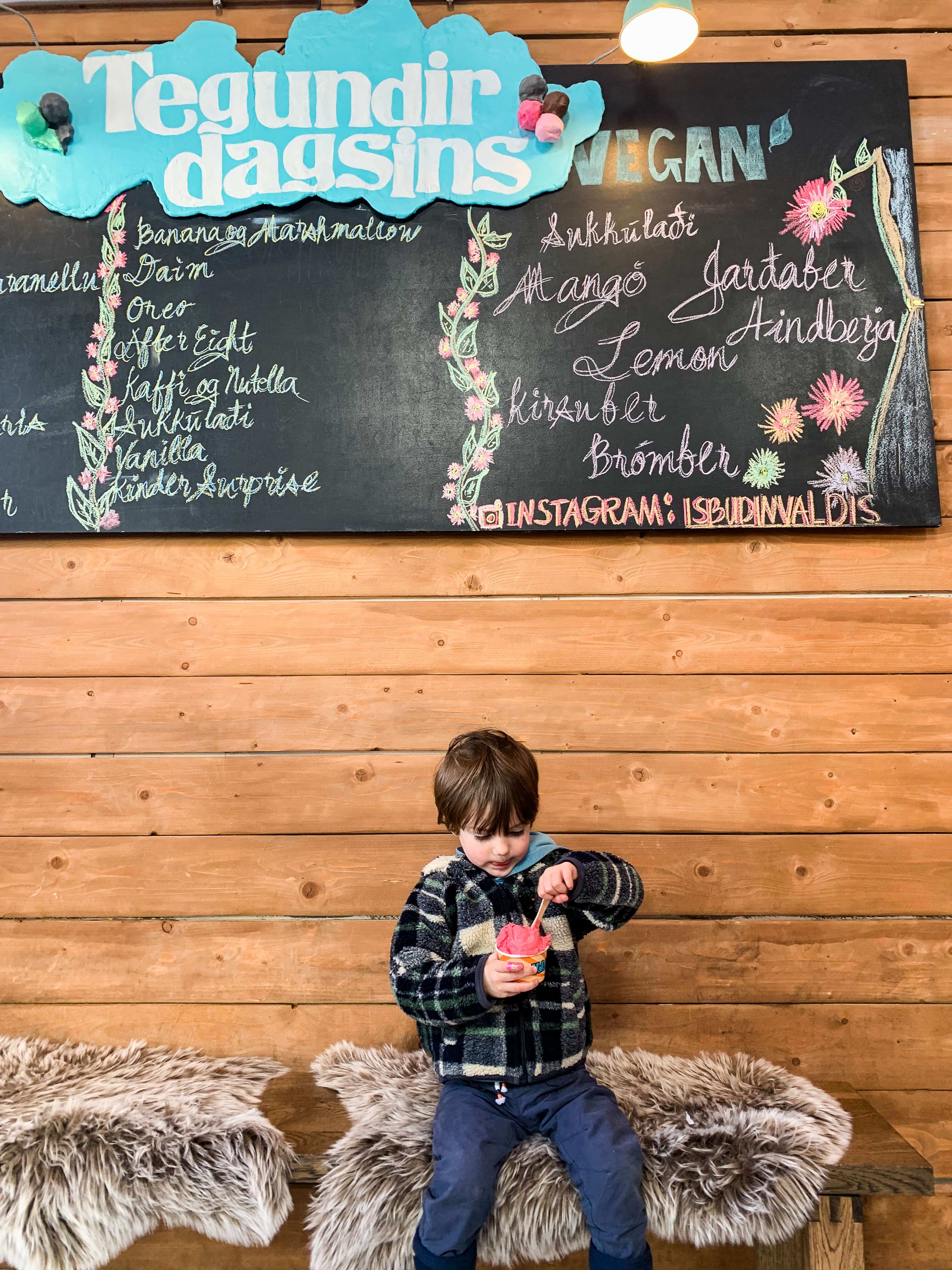
We found Icelander’s to be very aware of food allergies; everyone we met was more than happy to accommodate our son’s needs. Many of the restaurants, especially in bigger towns, had signs or menu notes on allergens; even the food truck at Jökulsárlón Glacier Lagoon (in the middle of nowhere) had a list of allergens displayed. At Valdi’s in Reykjavik, our server helped us pick out a safe ice cream flavor also cleaned a new scoop in front of us, we didn’t even need to ask.
Do they speak English in Iceland?
Yes, and the vast majority of Icelanders speak it very well. We had Icelandic allergy cards but didn’t need to use them in most places; communicating in English might be more difficult with some of the older population and in areas less frequented by tourists.
How do you call emergency services in Iceland?
Call 112 for emergency services including police, fire and ambulance.
Are you planning your own Icelandic adventure and looking for more inspiration? Check out our other Iceland family travel posts:
- The can’t miss stops on the Snaefellsness Peninsula
- A family-friendly itinerary for exploring Iceland’s South Coast